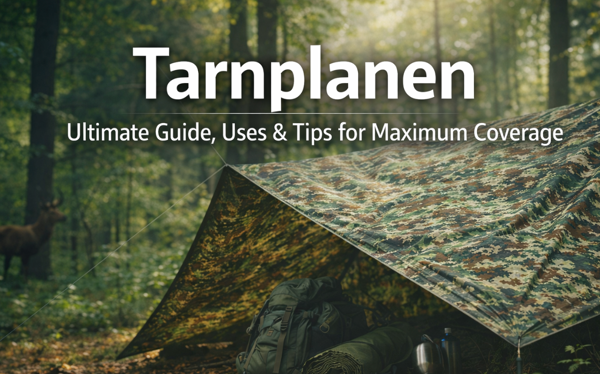
In outdoor adventures, military operations, or even simple backyard projects, having the right cover can make all the difference. Tarnplanen—the German term for camouflage tarpaulins—are versatile tools designed to provide concealment, protection, and practical functionality in a wide range of scenarios. Whether you are a camper, hunter, photographer, or simply someone looking to protect equipment, understanding how to use Tarnplanen effectively can significantly enhance your outdoor experience.
This guide provides key insights, practical tips, and best practices for making the most of your Tarnplanen, helping you achieve maximum coverage and efficiency.
Table of Contents
ToggleWhat is a Tarnplanen?
A Tarnplanen is essentially a camouflage tarp designed to blend with natural surroundings. Unlike standard tarpaulins, which are typically solid-colored and purely functional, Tarnplanen combines durability with camouflage patterns. These patterns are often inspired by forests, deserts, or urban environments, making the tarp useful for both practical and strategic applications.
Key features of a typical Tarnplanen include:
-
Durable Material: Usually made from heavy-duty polyester, nylon, or PVC-coated fabrics, which are water-resistant and tear-resistant.
-
Camouflage Pattern: Designed to match natural surroundings like woods, grasslands, or desert terrain.
-
Versatility: Can be used as a shelter, ground cover, equipment protector, or concealment device.
-
Portability: Lightweight and easy to fold, often including grommets or ropes for securing it in place.
With these features, Tarnplanen becomes an essential tool for anyone spending time outdoors or needing discreet coverage.
Uses of Tarnplanen
Tarnplanen can be used in a variety of situations. Here are some of the most common applications:
1. Camping and Outdoor Shelter
A Tarnplanen can serve as a temporary shelter from rain, wind, or sun. It can be rigged between trees or poles to create a covered area for sleeping, cooking, or resting. Its camouflage design also helps the shelter blend into the environment, offering a more natural experience.
2. Hunting and Wildlife Observation
For hunters or wildlife photographers, staying hidden is crucial. Tarnplanen allows you to set up blinds or conceal equipment, reducing the chances of being detected by animals. The natural patterns make it easier to observe wildlife without disturbing the surroundings.
3. Military and Tactical Applications
In military operations or survival scenarios, Tarnplanen is used for concealment of personnel, vehicles, and equipment. It provides both visual cover and some protection against the elements, making it an indispensable tool in tactical operations.
4. Ground Cover and Equipment Protection
Even in non-camouflage contexts, Tarnplanen is excellent for protecting gear from dirt, moisture, and sun exposure. Whether it’s covering firewood, machinery, or camping equipment, a Tarnplanen keeps items safe while remaining discreet.
5. Emergency Situations
In emergencies, Tarnplanen can serve as a makeshift stretcher, rain poncho, or even a privacy screen. Its lightweight and foldable design make it easy to carry in survival kits.
Tips for Using Tarnplanen Effectively
To maximize the benefits of your Tarnplanen, consider the following practical tips:
1. Choose the Right Size
Select a tarp that matches your needs. A small Tarnplanen is perfect for hiding equipment or creating a simple ground cover, while a larger tarp can shelter multiple people or gear. Always account for extra space to secure the tarp with ropes or stakes.
2. Match the Environment
Pick a camouflage pattern that suits your environment. Forest camo is ideal for wooded areas, desert patterns work in dry regions, and snow or urban patterns serve specialized purposes. Matching the surroundings ensures maximum concealment.
3. Secure Properly
Use grommets, ropes, or bungee cords to secure the Tarnplanen tightly. A well-secured tarp is less likely to flap in the wind or get displaced during storms. Experiment with different knots and tying techniques for stability.
4. Layer for Protection
For extra insulation or waterproofing, consider layering the Tarnplanen over another tarp or adding a reflective layer underneath. This can improve comfort in cold weather and enhance water resistance.
5. Maintain and Store Properly
After use, clean the tarp and allow it to dry completely to prevent mold or damage. Fold it neatly and store it in a dry, cool place. Regular maintenance extends the life of your Tarnplanen.
Best Practices for Maximum Coverage
To achieve optimal results with your Tarnplanen, follow these best practices:
-
Scout the Area First: Before setting up your tarp, observe the terrain and identify natural anchor points.
-
Use Natural Cover: Combine your Tarnplanen with bushes, trees, or rocks to enhance camouflage.
-
Avoid Shiny Surfaces: Ensure that the tarp does not reflect sunlight, as this can compromise concealment.
-
Angle Strategically: Position the tarp at angles that block visibility from the most likely viewpoints.
-
Regular Adjustments: Check your setup periodically, especially after wind or rain, to maintain coverage.
By following these techniques, your Tarnplanen will provide maximum protection and camouflage effectiveness.
Frequently Asked Questions (FAQ)
Q1: Is Tarnplanen waterproof?
Most modern Tarnplanen are made from water-resistant or waterproof materials. However, extreme weather may require additional layers or rainproofing techniques.
Q2: Can I use Tarnplanen for urban camouflage?
Yes, some Tarnplanen come in urban patterns, making them suitable for city or industrial environments. These are especially useful for photographers or tactical exercises.
Q3: How durable is Tarnplanen?
High-quality Tarnplanen are tear-resistant and designed to withstand harsh conditions. Proper use and storage further enhance durability.
Q4: Can Tarnplanen be cut or modified?
Yes, you can trim or adjust it to suit your needs, but avoid cutting near reinforced grommets to prevent fraying.
Q5: Are Tarnplanen environmentally friendly?
Some tarps are made from recycled materials or eco-friendly coatings. Check product specifications if sustainability is a concern.
Conclusion
Tarnplanen are more than just camouflage tarps—they are versatile, durable, and indispensable tools for outdoor enthusiasts, hunters, military personnel, and emergency situations. By understanding the different uses, applying practical tips, and following best practices, you can achieve maximum coverage, protection, and efficiency with your Tarnplanen.
Whether you need to stay hidden, protect your equipment, or create a temporary shelter, investing in a high-quality Tarnplanen and learning how to use it effectively will significantly enhance your outdoor experiences.
Disclaimer
This article is intended for informational purposes only. The effectiveness of Tarnplanen depends on individual circumstances, environmental conditions, and proper usage. Readers should follow safety guidelines and manufacturer instructions when using Tarnplanen in outdoor or tactical scenarios.