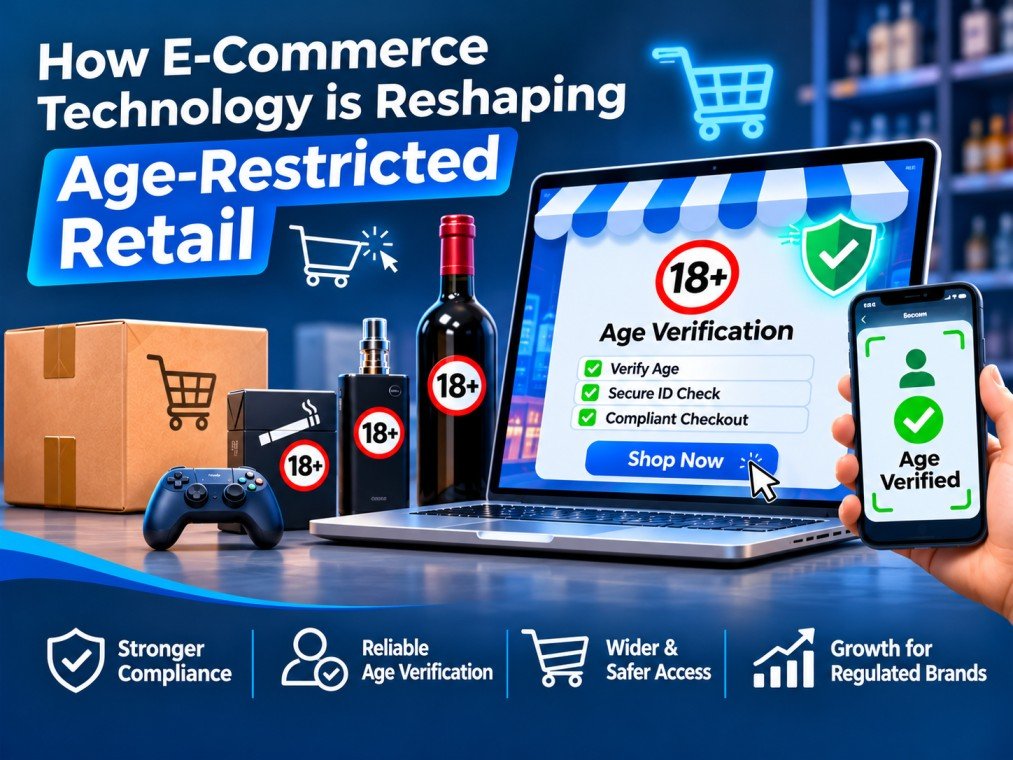
Online shopping has transformed the way people search for a product, compare its price, and finally make the purchase. But convenience is not all that retailers selling age-restricted items will have to contemplate will be legal or security issues. Technology solutions for e-commerce help these businesses streamline their operations and make age verification and compliance regulations a key part of the shopping process.
E-commerce involves shopping online, rather than going to a physical store. For instance, those who are looking for cigarettes online can possibly come across digital catalogues and delivery methods. These capabilities demonstrate the highly effective manner in which technology can transform your purchaser’s journey. The change in the landscape of age-restricted retail through e-commerce technology is as follows:
1. Digital Age Verification is Changing Online Purchases
The verification of ages is one of the most crucial elements in restricted product sales online. Retailers have the option to verify identity or perform date of birth checks. The method used will depend upon the product and location, as well as on regulatory requirements.
Technology can also assist retailers in understanding what is missed in their verification procedure. For some systems, missing information and/or requiring additional documentation for proof of eligibility are alerts when initial investigation fails to capture necessary information. But setting a birth date in the system does not in itself constitute substantiation for age, as retailers must select measures that comply with the law.
2. Smarter Systems Are Improving Retail Operations
With e-commerce, product listings, payment processing, stock management and delivery can all tie in with each other in one system. This integration simplifies businesses’ ability to monitor sales and eliminate cumbersome tasks throughout the buying process. Furthermore, retailers can utilize automated alerts to pinpoint orders requiring further review prior to fulfilment.
These communications allow practices to be more streamlined throughout online stores and store figures. For instance, when an order needs further proving of identity or a restriction on who should be delivered to, for example purposes, staff will be given clear guidance.
3. Privacy and Customer Trust Are Becoming More Important
In many instances, age verification involves customers providing personal details, which can be a privacy threat. Retailers are advised to adopt secure systems, avoid over-collection of data, and keep data only as authorised and/or by law. When it comes to customer privacy, it’s important they understand how it works before buying something.
Transparency is also key for a seamless shopping experience. Unexpected checks and a system rejecting valid information without reason or explanation may cause customers to become frustrated. But if a retailer can clear up the friction by informing parties early about their requirements, it can help to take some of the surprise out of that entire process.
In age-restricted retail, e-commerce technology is not only integrating all four elements of verification, payment, inventory and delivery in a more cohesive way, but it is also changing the retail landscape. These can help increase efficiency but don’t predict the humans who are making the decisions or reduce the need for basic staff training or observance of local laws. Retailers with reliable protection measures and responsible handling of data, where customers can easily use digital services, will profit by being better equipped to gain customer trust and maintain reliable performance.


