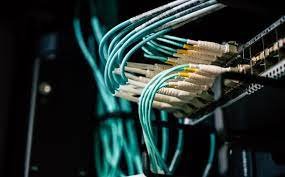
The T1 and T3 lines are the most commonly used types of lines for network communications. T1 lines are used for voice and data communications, while T3 lines are mainly used for data communications. Both T1 and T3 lines offer high speed and reliability, making them ideal for use in business or enterprise environments. However, there are some key differences between the two types of lines that you should be aware of before making a decision about which one is right for your needs.
T1 lines are typically used for voice and data communications, while T3 lines are mainly used for data communications.
T1 lines offer high speed and reliability, making them ideal for use in business or enterprise environments.
T3 lines offer even higher speed and reliability than T1 lines, making them ideal for use in mission-critical applications.
The main difference between T1 and T3 lines is the speed at which they operate. T1 lines typically operate at speeds of up to 1.544 Mbps, while T3 lines can operate at speeds of up to 45 Mbps. This makes T3 lines much better suited for high-bandwidth applications such as video conferencing or streaming media.
Another key difference between T1 and T3 lines is the way they are priced. T1 lines are typically priced on a per-minute basis, while T3 lines are typically priced on a per-Mbps basis. This makes T3 lines much more expensive to use than T1 lines, but the higher speed and reliability of T3 lines make them worth the investment for many businesses.
If you’re not sure which type of line is right for your needs, it’s important to consult with a professional who can help you assess your specific requirements. T1 and T3 lines each have their own advantages and disadvantages, so it’s important to choose the right type of line for your particular application.
With the help of a professional, you can make sure that you’re getting the most out of your network communications.