Who Is Sagarika Chakraborty? The Real Story Behind Rani Mukerji’s Mrs Chatterjee vs Norway
The story of a mother’s fight to reunite with her children became an international talking point when Bollywood actress Rani Mukerji portrayed a determined Indian mother in the film Mrs Chatterjee vs Norway. But behind the cinematic story is a real woman, Sagarika Chakraborty, whose battle with Norway’s child welfare authorities attracted attention across India and beyond.
Her struggle involved family separation, legal proceedings, diplomatic intervention and a long fight to regain custody of her children. The case also raised important questions about parental rights, child welfare and the challenges faced by families living abroad.
So, who is Sagarika Chakraborty? What happened to her children in Norway, and how did she eventually win the custody battle? Here is everything you need to know about the real story.
Table of Contents
ToggleWho Is Sagarika Chakraborty?
Sagarika Chakraborty is an Indian woman who became widely known after her children were taken into foster care by Norwegian child welfare authorities in 2011.
She was living in Stavanger, Norway, with her husband, Anurup Bhattacharya, and their two young children, Abhigyan and Aishwarya, when the family became involved in a highly publicised child custody dispute.
The case attracted significant media attention because it involved an Indian family, Norwegian child protection laws and questions about how different cultural practices are understood in international family disputes.
Sagarika’s determination to reunite with her children eventually inspired the Bollywood film Mrs Chatterjee vs Norway, featuring Rani Mukerji in the lead role.
What Happened to Sagarika Chakraborty’s Children in Norway?
The controversy began in May 2011, when Norway’s Child Welfare Services, commonly known as Barnevernet, took custody of Sagarika and Anurup Bhattacharya’s two children.
At the time, their son Abhigyan was around three years old, while their daughter Aishwarya was approximately one year old.
The Norwegian authorities raised concerns about the children’s care and their family environment. The allegations included concerns about parenting practices, sleeping arrangements, feeding habits and the overall care provided to the children.
The authorities placed the children in foster care, creating an extremely difficult situation for their parents.
The decision became particularly controversial in India, where questions were raised about whether cultural differences and parenting practices had been properly understood.
The case soon developed into a major international discussion about child protection and parental rights.
Why Did Norwegian Authorities Take the Children Away?
The Norwegian Child Welfare Services reportedly raised several concerns about the children’s upbringing and the parents’ ability to provide appropriate care.
Some of the issues discussed during the case included:
- Feeding practices: Concerns were raised about the way the children were being fed, including hand-feeding.
- Sleeping arrangements: Authorities reportedly questioned the children’s sleeping arrangements and whether they had separate beds.
- Parental care: Concerns were expressed about the children’s emotional connection and the level of care provided at home.
- Family environment: The authorities also raised concerns about the parents’ relationship and the overall family situation.
However, the case became controversial because some of the practices discussed were viewed differently in Indian and Norwegian cultural contexts.
It is important to note that Norway’s government later issued a statement explaining that children are not taken away simply because of cultural differences such as eating with hands or sleeping in their parents’ beds.
The case therefore involved competing accounts and should not be understood solely through the fictionalised version presented in the film.
How Did the India-Norway Diplomatic Dispute Begin?
As the custody dispute continued, the matter attracted attention from Indian political leaders, the media and the Ministry of External Affairs.
The Indian government raised concerns with Norwegian authorities and sought a solution that would allow the children to return to India.
In January 2012, India’s then External Affairs Minister S. M. Krishna spoke with his Norwegian counterpart regarding the case.
The Indian government wanted the children to return to a familiar environment where their extended family could help care for them.
The issue was also discussed in the Indian Parliament in March 2012, demonstrating the level of national concern surrounding the matter.
Following diplomatic discussions and legal proceedings, an agreement was reached for the children to return to India under the care of their paternal uncle.
When Did Sagarika Chakraborty’s Children Return to India?
In April 2012, the two children were allowed to return to India.
However, their return did not immediately mean that Sagarika had regained custody.
Under the arrangement reached with Norwegian authorities, the children were placed in the care of their paternal uncle, Arunabhash Bhattacharya.
They returned to India on April 24, 2012.
Although this was an important development, Sagarika still faced another legal challenge. She wanted her children to live with her, and the custody arrangement in India became the next stage of the dispute.
The case continued to attract public attention as she pursued legal remedies to reunite with her children.
How Did Sagarika Chakraborty Win the Custody Battle?
After the children returned to India, Sagarika continued her fight for their custody.
She approached the Child Welfare Committee in Burdwan, West Bengal, which issued an order supporting the restoration of custody to her.
However, the matter was not resolved immediately, and she subsequently approached the Calcutta High Court.
On January 10, 2013, the Calcutta High Court ruled in Sagarika’s favour and directed that custody of her two children be given to her.
The court also recognised the importance of maintaining the children’s relationship with their paternal uncle and grandfather through visitation arrangements.
This judgment marked a major turning point in her long struggle.
Sagarika eventually reunited with her children and continued raising them in India.
In a later personal account published in The Indian Express in March 2023, she wrote that her children had been living with her for around ten years and discussed the emotional impact of the separation.
Mrs Chatterjee vs Norway: The Film Inspired by Sagarika’s Story
Sagarika Chakraborty’s experience became the inspiration for the Bollywood drama Mrs Chatterjee vs Norway.
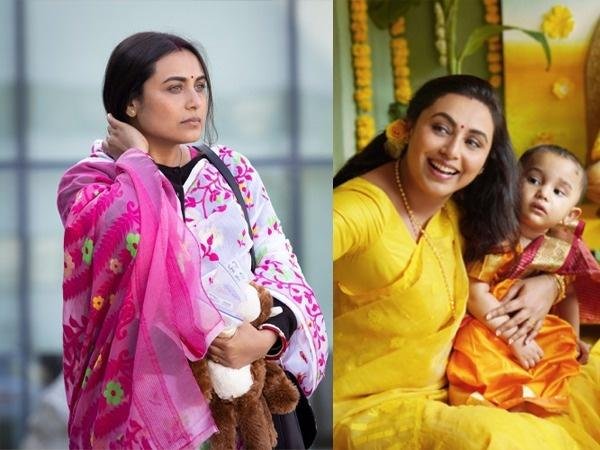
<PRIVATE_PERSON> Rani Mukerji played the central character, portraying a mother who refuses to give up her fight after her children are separated from her.
The film was directed by Ashima Chibber and produced by Zee Studios and Emmay Entertainment.
It was released in theatres on March 17, 2023.
The movie explores the emotional journey of a mother fighting against a foreign child welfare system to bring her children home.
Through its dramatic storytelling, the film highlights themes such as motherhood, family bonds, international legal disputes and the emotional consequences of child separation.
The film received considerable attention because its central storyline was inspired by an actual case involving an Indian family in Norway.
Is Mrs Chatterjee vs Norway Based on a True Story?
Yes. The film is inspired by the real-life custody dispute involving Sagarika Chakraborty and her children.
However, it is important to understand that the movie is a cinematic adaptation rather than a documentary.
The filmmakers used creative liberties to present the story dramatically.
The Norwegian Embassy in India also issued an official statement in March 2023, describing the movie as a work of fiction based on an actual case.
The embassy disputed certain representations of Norwegian child welfare practices and clarified that cultural practices such as eating with hands or children sleeping in their parents’ beds are not, by themselves, considered reasons to remove children from their families.
Therefore, viewers should distinguish between the documented legal history and the dramatic events portrayed in the movie.
Sagarika Chakraborty’s Book: The Journey of a Mother
Sagarika also shared her experiences through her book, The Journey of a Mother, published in 2022.
The book provides her personal perspective on the events surrounding the separation from her children and the long process of trying to bring them back.
It offers readers an opportunity to understand the emotional challenges she experienced during the custody dispute.
The book also became an important reference point for the film adaptation.
For those interested in understanding the case beyond its cinematic presentation, her account provides another perspective on the events.
Where Are Sagarika Chakraborty’s Children Now?
Following the Calcutta High Court’s January 2013 decision, Sagarika regained custody of her son Abhigyan and daughter Aishwarya.
In her March 2023 account, she stated that the children had been living with her for approximately ten years.
The case, which began with their separation in Norway in 2011, eventually reached a resolution that allowed the children to grow up with their mother in India.
Details about their present private lives are limited, and their privacy should be respected.
Why Is Sagarika Chakraborty’s Story Important?
Sagarika Chakraborty’s case became more than an individual family dispute. It generated discussions about several important issues.
1. Parental Rights: The case raised questions about the rights of parents when child welfare authorities intervene in family matters.
2. Cultural Understanding: It highlighted the importance of understanding different family traditions and parenting practices in international disputes.
3. International Legal Challenges: The dispute demonstrated how complicated child custody cases can become when families live in different countries.
4. Diplomatic Intervention: The involvement of India’s Ministry of External Affairs showed how family disputes involving citizens abroad can sometimes develop into diplomatic concerns.
5. Mother-Child Relationships: Above all, the case brought attention to the emotional consequences of separating young children from their parents.
Frequently Asked Questions About Sagarika Chakraborty
1. Who is Sagarika Chakraborty?
Sagarika Chakraborty is an Indian mother who became internationally known after her two children were taken into foster care by Norwegian authorities in 2011. Her custody battle inspired the Bollywood film Mrs Chatterjee vs Norway.
2. Who played Sagarika Chakraborty in Mrs Chatterjee vs Norway?
Rani Mukerji portrayed a fictionalised version of Sagarika Chakraborty in the 2023 Bollywood film Mrs Chatterjee vs Norway.
3. Why were Sagarika Chakraborty’s children taken away?
Norwegian Child Welfare Services raised concerns about the children’s care and family environment. The case involved allegations concerning parenting practices and the children’s welfare.
4. When did Sagarika Chakraborty’s children return to India?
Her children returned to India on April 24, 2012, under an arrangement that placed them in the care of their paternal uncle.
5. When did Sagarika Chakraborty win custody of her children?
The Calcutta High Court ruled in her favour on January 10, 2013, directing that custody of her two children be restored to her.
6. Is Mrs Chatterjee vs Norway a real story?
The film is inspired by Sagarika Chakraborty’s real-life custody dispute. However, it is a fictionalised cinematic adaptation and includes creative liberties.
7. What is the name of Sagarika Chakraborty’s book?
Her book is titled The Journey of a Mother, published in 2022.
8. Who is Sagarika Chakraborty’s husband?
Sagarika was married to Anurup Bhattacharya. They lived in Norway with their two children when the custody dispute began.
Final Thoughts
Sagarika Chakraborty’s story is a powerful reminder of how complicated international family disputes can become. What started as a child welfare case in Norway developed into a major legal and diplomatic issue involving India.
Her prolonged struggle to reunite with her children attracted worldwide attention and later inspired Mrs Chatterjee vs Norway, bringing her experience to a much wider audience.
While the film presents a dramatic interpretation of the events, the real case remains an important chapter in discussions about family rights, child welfare and the challenges faced by parents living abroad.