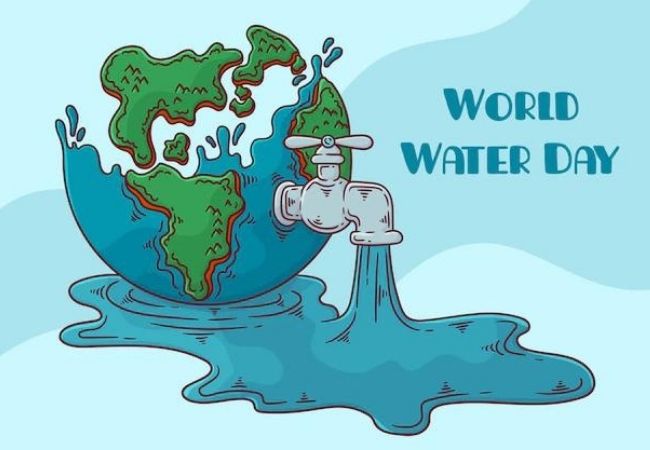
Water is the essence of life. It sustains ecosystems, nourishes agriculture, supports industries, and is fundamental to human survival. Despite its importance, access to clean and safe water remains a challenge for millions of people around the world. Recognizing the significance of this vital resource, World Water Day is observed annually on March 22 to highlight the importance of freshwater and advocate for the sustainable management of water resources. This global observance is not merely symbolic—it serves as a powerful reminder of the urgent need to conserve water and ensure equitable access for all.
Table of Contents
ToggleThe Origin and Purpose of World Water Day
World Water Day was established by the United Nations in 1993, following the recommendations made at the United Nations Conference on Environment and Development (UNCED) held in Rio de Janeiro in 1992. The goal was clear: to create awareness about the global water crisis and inspire action toward solving water-related challenges.
Each year, World Water Day focuses on a specific theme, such as water and climate change, groundwater, water and sanitation, or valuing water. These themes help bring attention to different aspects of water conservation and management, encouraging governments, organizations, and individuals to take meaningful steps.
The day serves multiple purposes:
- Raising awareness about the importance of freshwater
- Promoting sustainable water usage
- Encouraging global cooperation to tackle water issues
- Highlighting the challenges faced by communities lacking access to safe water
The Global Water Crisis
Despite covering over 70% of the Earth’s surface, only about 2.5% of water is freshwater, and an even smaller fraction is accessible for human use. The imbalance between water availability and demand has led to a growing global crisis.
Lack of Access to Clean Water
Millions of people across the globe still lack access to safe drinking water. In many developing regions, individuals—especially women and children—must walk long distances daily to collect water, often from contaminated sources. This not only affects health but also limits opportunities for education and economic growth.
Water Pollution
Industrial waste, agricultural runoff, and improper disposal of chemicals have led to severe water pollution. Rivers, lakes, and groundwater sources are increasingly contaminated, making water unsafe for consumption and harming aquatic ecosystems.
Climate Change and Water Scarcity
Climate change has intensified water-related challenges. Rising temperatures, irregular rainfall patterns, and extreme weather events such as droughts and floods disrupt water availability. Regions that were once water-rich are now experiencing shortages, while others face devastating floods.
Overexploitation of Water Resources
The excessive use of groundwater for agriculture, industry, and domestic purposes has led to the depletion of aquifers. Unsustainable extraction rates threaten long-term water security, making it essential to adopt efficient water management practices.
Importance of Water Conservation
Water conservation is not just an environmental concern—it is a necessity for sustainable development and human survival. Conserving water ensures that future generations have access to this vital resource.
Environmental Benefits
Saving water helps maintain the balance of ecosystems. Rivers, wetlands, and lakes depend on consistent water levels to support biodiversity. Conservation efforts protect wildlife habitats and preserve natural ecosystems.
Economic Benefits
Efficient water use reduces costs in agriculture, industry, and households. It also minimizes the need for expensive infrastructure projects such as dams and desalination plants.
Social Benefits
Access to clean water improves health, reduces disease, and enhances quality of life. It empowers communities, particularly women and children, by freeing them from the burden of water collection.
The Role of Governments and Organizations
Governments and international organizations play a critical role in addressing water challenges. Policies, investments, and collaborative initiatives are essential for sustainable water management.
Policy Implementation
Governments must implement policies that promote water conservation, regulate usage, and prevent pollution. Laws and regulations ensure responsible water management across sectors.
Infrastructure Development
Investing in water infrastructure—such as treatment plants, pipelines, and storage systems—is crucial for ensuring access to safe water. Rural and underserved areas require special attention.
International Cooperation
Water issues often transcend national boundaries. Rivers and aquifers are shared resources, making international cooperation essential. Collaborative efforts help manage resources effectively and prevent conflicts.
Community Engagement
Organizations and NGOs play a vital role in educating communities, promoting sustainable practices, and implementing grassroots initiatives.
Individual Responsibility in Water Conservation
While governments and organizations have a significant role, individuals also contribute to water conservation through everyday actions.
Simple Steps to Save Water
- Turn off taps when not in use
- Fix leaks promptly
- Use water-efficient appliances
- Collect rainwater for gardening
- Avoid unnecessary water wastage
Spreading Awareness
Education is key to change. Individuals can spread awareness about water conservation through social media, community programs, and educational initiatives.
Sustainable Lifestyle Choices
Adopting sustainable habits—such as reducing water-intensive consumption and supporting eco-friendly products—can significantly impact water conservation.
The Role of Education and Youth
Youth are powerful agents of change. Educating young minds about water conservation ensures long-term sustainability.
School Initiatives
Schools can incorporate water conservation into their curriculum, organize awareness campaigns, and encourage students to adopt responsible practices.
Youth Leadership
Young people can lead community initiatives, participate in clean-up drives, and advocate for sustainable water policies.
Innovative Solutions for Water Management
Technology and innovation play a crucial role in addressing water challenges.
Rainwater Harvesting
Collecting and storing rainwater is an effective way to supplement water supply and reduce dependency on groundwater.
Wastewater Treatment and Reuse
Recycling wastewater for agricultural and industrial use helps conserve freshwater resources.
Smart Water Management Systems
Advanced technologies such as sensors and data analytics improve water distribution and reduce wastage.
Desalination
Converting seawater into freshwater provides an alternative source, especially in water-scarce regions.
World Water Day Activities and Celebrations
World Water Day is celebrated globally through various activities that promote awareness and action.
Awareness Campaigns
Organizations conduct campaigns to educate people about water issues and conservation practices.
Community Events
Workshops, seminars, and rallies bring communities together to discuss solutions and share knowledge.
Social Media Engagement
Digital platforms play a significant role in spreading awareness. Hashtags, videos, and campaigns reach a global audience.
School and College Programs
Educational institutions organize competitions, projects, and activities to engage students.
Challenges in Achieving Water Sustainability
Despite efforts, several challenges hinder progress toward sustainable water management.
Limited Resources
Developing countries often lack the financial and technical resources needed to address water issues effectively.
Population Growth
Increasing population places additional pressure on water resources, making conservation more critical.
Inequality in Access
Disparities in water access persist, with marginalized communities facing the greatest challenges.
Lack of Awareness
In many regions, lack of awareness about water conservation leads to inefficient usage and wastage.
The Way Forward
Addressing the global water crisis requires a collective effort. Governments, organizations, communities, and individuals must work together to ensure sustainable water management.
Strengthening Policies
Effective policies and regulations are essential for managing water resources responsibly.
Investing in Technology
Innovation and technology can provide efficient solutions to water challenges.
Promoting Education
Awareness and education empower individuals to take action and adopt sustainable practices.
Encouraging Collaboration
Global cooperation is key to addressing transboundary water issues and sharing resources effectively.
Conclusion
World Water Day is more than just a day of observance—it is a call to action. It reminds us of the importance of water in our lives and the urgent need to protect this invaluable resource. The challenges we face are significant, but they are not insurmountable. Through collective efforts, innovative solutions, and a commitment to sustainability, we can ensure that clean and safe water is available for everyone.
Every drop counts. By valuing water and using it responsibly, we contribute to a healthier planet and a better future for generations to come. Let World Water Day inspire us to act—not just today, but every day.
Frequently Asked Questions (FAQs)
What is World Water Day and why is it celebrated?
World Water Day is observed every year on March 22 to highlight the importance of freshwater and raise awareness about the global water crisis. It encourages sustainable water management and access to clean water for all.
When was World Water Day first observed?
World Water Day was first observed in 1993 after being established by the United Nations during the 1992 Earth Summit in Rio de Janeiro.
What is the main objective of World Water Day?
The main objective is to promote awareness about water-related issues, including water scarcity, pollution, and lack of access to safe drinking water, while encouraging conservation efforts worldwide.
Why is water conservation important?
Water conservation ensures sustainable use of limited freshwater resources, protects ecosystems, reduces costs, and guarantees future generations access to clean water.
How does climate change affect water resources?
Climate change causes irregular rainfall, droughts, floods, and melting glaciers, which disrupt water availability and increase water scarcity in many regions.
What role do governments play in water conservation?
Governments create policies, invest in infrastructure, regulate water usage, and promote awareness campaigns to ensure sustainable water management.