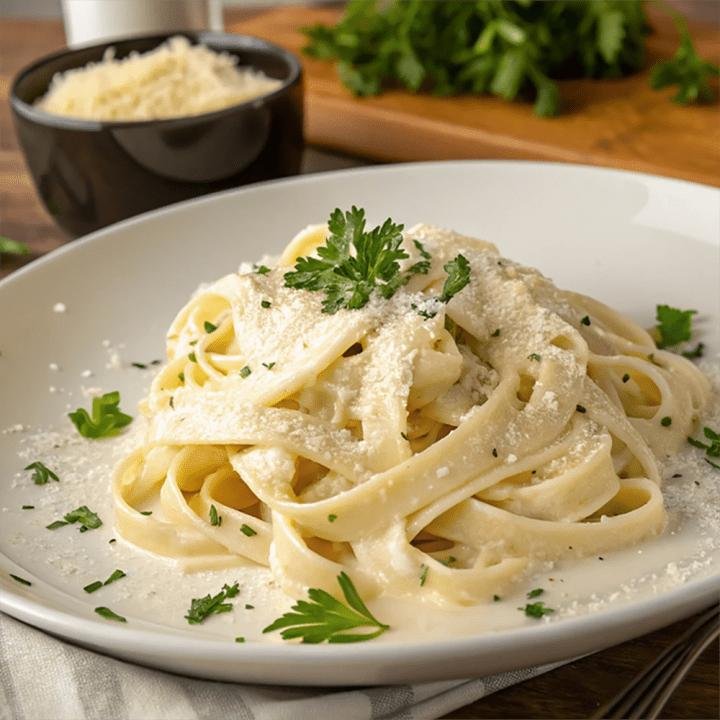
Fettuccine Alfredo Recipe: Easy, Creamy & Delicious Homemade Pasta
Craving a comforting pasta dish with a rich, creamy sauce and plenty of Parmesan cheese? This Fettuccine Alfredo Recipe shows you how to make delicious homemade Alfredo pasta using simple ingredients and easy cooking techniques. Tender fettuccine noodles are coated in a smooth, buttery cream sauce flavored with garlic and freshly grated Parmesan cheese, creating a restaurant-style meal right in your kitchen.
Fettuccine Alfredo is a popular Italian-American pasta dish loved for its rich flavor, silky texture, and simple preparation. You do not need complicated ingredients or professional cooking skills to make it at home. With the right cheese, carefully heated cream, and a little reserved pasta water, you can prepare a satisfying pasta dinner in about 30 minutes.
Whether you are planning a quick weeknight dinner, a cozy date-night meal, or a special family lunch, this easy Fettuccine Alfredo recipe is a delicious option. You can enjoy it as a vegetarian-friendly pasta dish or customize it with grilled chicken, shrimp, mushrooms, or your favorite vegetables.
What Is Fettuccine Alfredo?
Fettuccine Alfredo is a pasta dish made with flat ribbons of fettuccine tossed in a rich sauce featuring butter and Parmesan cheese. Many American-style recipes also include heavy cream and garlic to create a thicker, creamier sauce.
The dish is associated with Alfredo di Lelio, a restaurateur in Rome whose version of fettuccine with butter and Parmesan became famous. Traditional preparations rely on the heat of freshly cooked pasta, butter, cheese, and pasta water to create a smooth coating. Cream-based versions, which are especially popular in the United States, offer a richer and more forgiving sauce for home cooks.
This recipe follows the creamy Italian-American style, combining heavy cream, butter, garlic, and Parmesan cheese for a flavorful sauce that clings to every strand of pasta.
Why You Will Love This Fettuccine Alfredo Recipe
- Easy to prepare: Make a satisfying pasta dinner with straightforward cooking steps.
- Rich and creamy: Heavy cream and butter create a smooth, luxurious sauce.
- Fresh Parmesan flavor: Grated Parmesan adds a savory, cheesy taste.
- Ready in about 30 minutes: Ideal for busy evenings when you want a homemade meal.
- Easy to customize: Add chicken, shrimp, mushrooms, spinach, or broccoli.
- Restaurant-style results: Simple techniques help you create a glossy sauce without relying on a jarred product.
Fettuccine Alfredo Recipe at a Glance
- Preparation time: 10 minutes
- Cooking time: 20 minutes
- Total time: Approximately 30 minutes
- Servings: 4
- Cuisine: Italian-American
- Course: Main course
- Cooking method: Stovetop
- Difficulty: Easy
Cooking time may vary depending on the type of pasta you use and how quickly your sauce reaches the desired consistency.
Ingredients for Homemade Fettuccine Alfredo
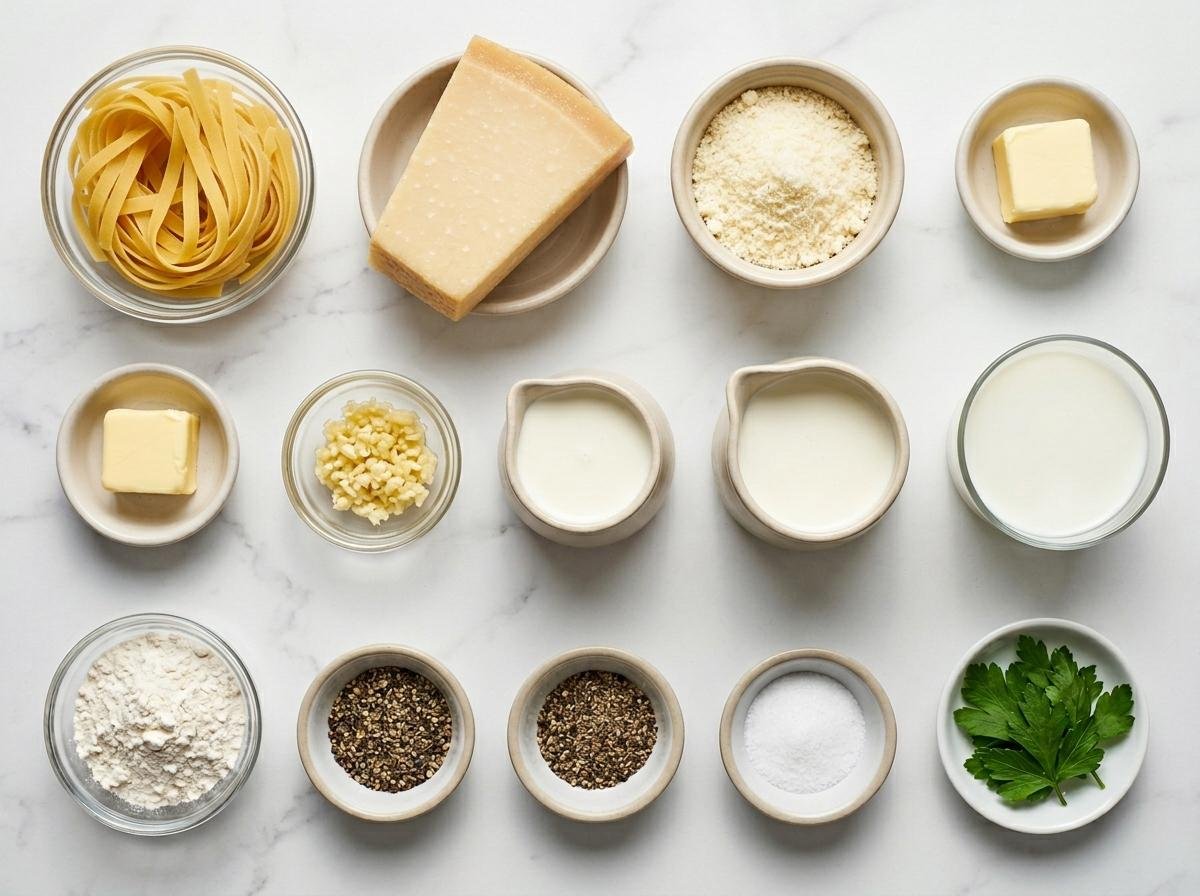
The secret to a flavorful Alfredo pasta is using good-quality ingredients and handling the sauce gently. Here is what you need for four servings.
Main Ingredients
- 12 ounces (340 g) dried fettuccine pasta
- 6 tablespoons unsalted butter
- 1 1/2 cups heavy cream
- 2 garlic cloves, finely minced
- 1 1/4 cups freshly grated Parmesan cheese
- 1/4 teaspoon salt, or to taste
- 1/4 teaspoon freshly ground black pepper
- 1/2 cup reserved pasta water, as needed
- 1–2 tablespoons chopped fresh parsley, optional
Choosing the Best Ingredients
Fettuccine pasta: Traditional fettuccine is a wide, flat pasta that holds creamy sauces well. Dried pasta is convenient, while fresh fettuccine cooks more quickly and has a delicate texture.
Heavy cream: Heavy cream creates a rich sauce that is less likely to become thin than a sauce made with regular milk. For the creamiest result, avoid substituting plain milk in the same quantity.
Freshly grated Parmesan: Buy a block of Parmesan and grate it yourself if possible. Freshly grated cheese generally melts more smoothly than many pre-shredded products, which may contain anti-caking agents.
Butter: Unsalted butter lets you control the seasoning more precisely. If you use salted butter, reduce the added salt and taste before adjusting.
Garlic: Fresh garlic gives the sauce a fragrant, savory flavor. Cook it gently so that it does not turn brown or bitter.
How to Make Fettuccine Alfredo Step by Step
Step 1: Boil the Pasta
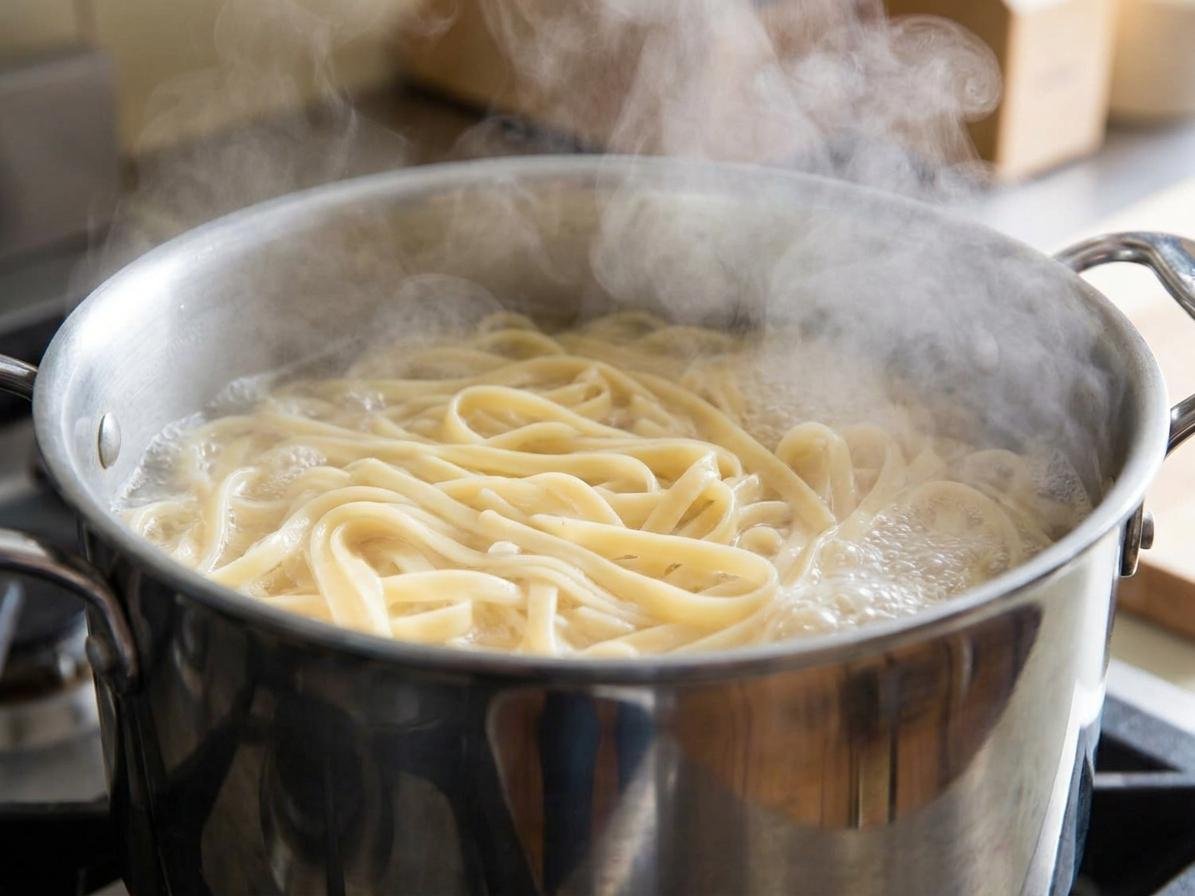
Bring a large pot of water to a boil. Add salt to season the water, then add the fettuccine pasta.
Cook according to the package instructions until the pasta is al dente, meaning tender but still slightly firm in the center. Stir occasionally to prevent the noodles from sticking together.
Before draining, reserve approximately 1/2 cup of the starchy pasta water. Drain the pasta, but do not rinse it. The starch remaining on the noodles helps the Alfredo sauce cling to them.
Step 2: Melt the Butter
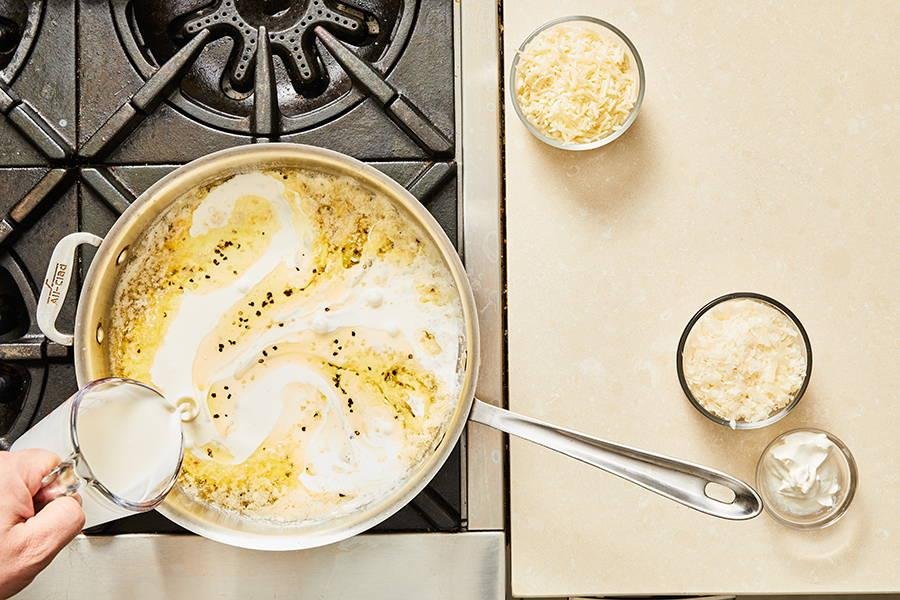
Place a large skillet or saucepan over medium-low heat. Add the butter and allow it to melt gently.
Avoid letting the butter brown if you want a classic, mild Alfredo flavor. Once melted, add the minced garlic.
Cook for about 30–60 seconds, stirring frequently, until fragrant. Garlic can burn quickly, so reduce the heat if it begins to brown.
Step 3: Add the Heavy Cream
Pour the heavy cream into the skillet with the melted butter and garlic. Stir gently to combine the ingredients.
Allow the mixture to heat over low to medium-low heat for approximately 3–5 minutes, stirring occasionally. It should become hot and slightly thicker without reaching a vigorous boil.
Keeping the heat controlled helps the sauce maintain a smooth texture.
Step 4: Add Parmesan Cheese
Reduce the heat to low. Gradually add the freshly grated Parmesan cheese, stirring or whisking gently as it melts into the cream.
Add the cheese in small handfuls rather than all at once. This gives it time to incorporate evenly and reduces the risk of forming clumps.
Season with black pepper and a small amount of salt. Taste the sauce before adding more salt because Parmesan already contributes a salty, savory flavor.
Step 5: Combine the Pasta and Sauce
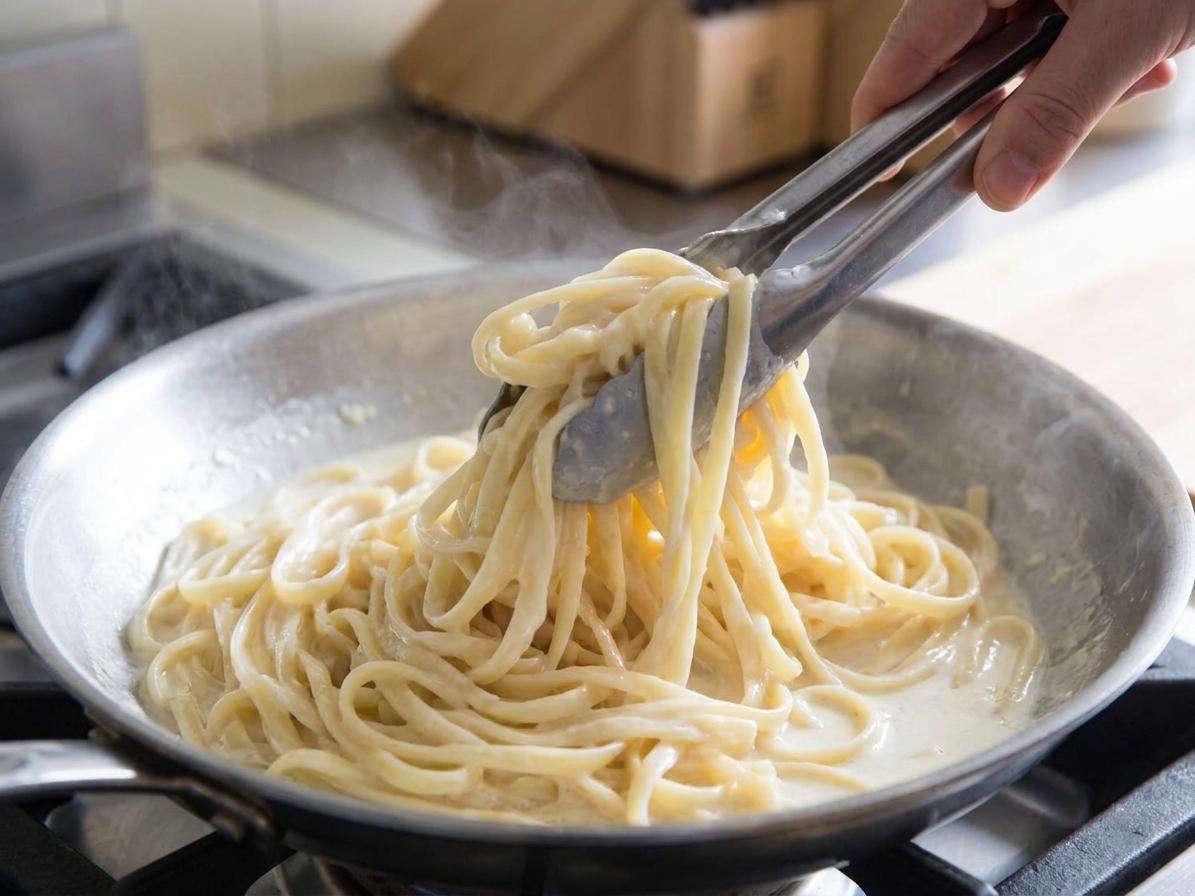
Add the drained fettuccine directly to the skillet. Use tongs to toss the pasta gently until the noodles are evenly coated.
If the sauce appears too thick, add reserved pasta water one tablespoon at a time. Toss after each addition until the sauce reaches a silky consistency.
The combination of cream, melted cheese, and starchy pasta water helps the sauce coat the noodles instead of collecting at the bottom of the pan.
Step 6: Adjust the Seasoning
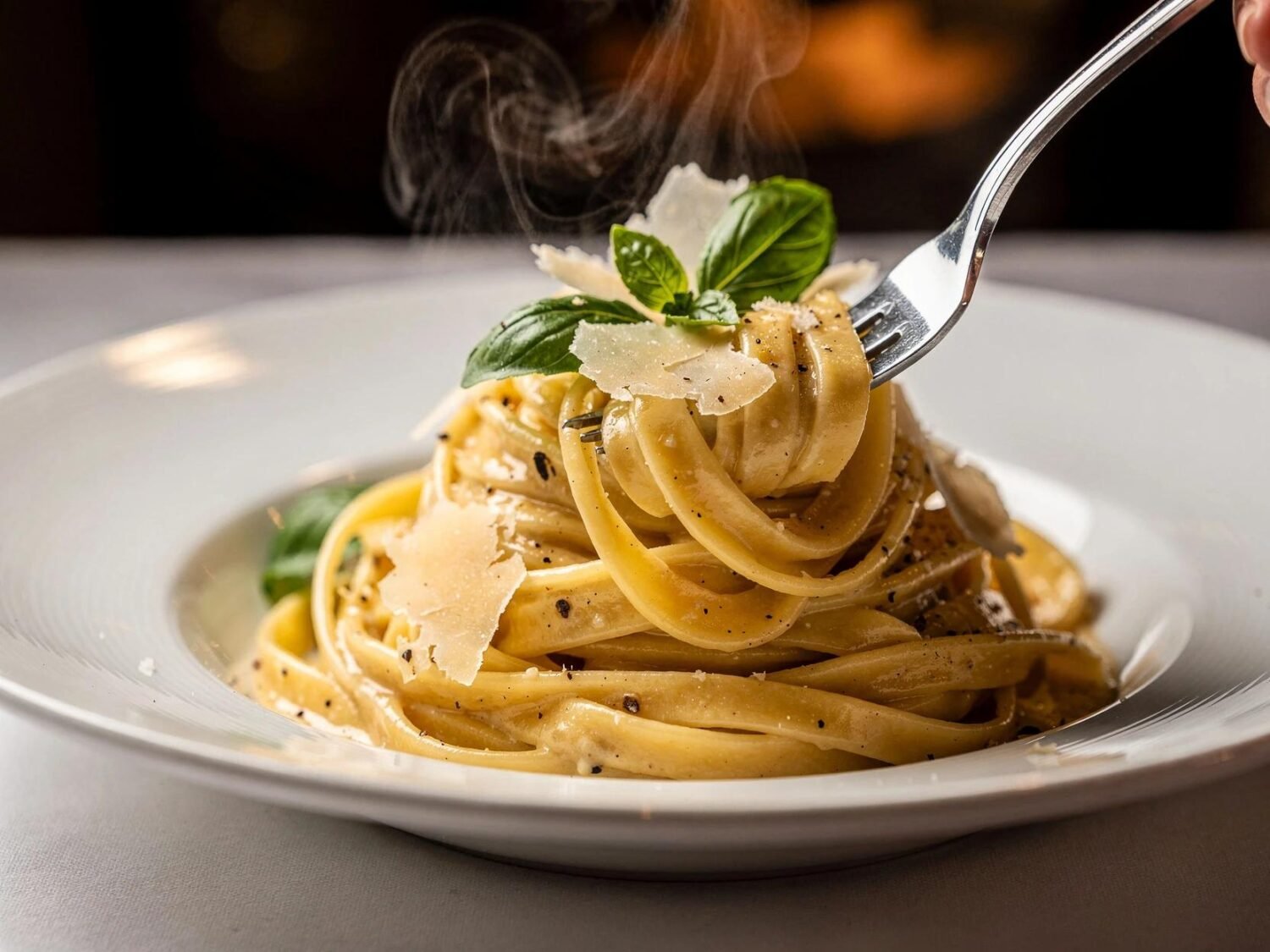
Taste a strand of pasta and adjust the seasoning as needed. Add a little more black pepper or Parmesan if desired.
If the sauce has thickened too much, add another splash of warm pasta water. If it is too thin, toss the pasta over low heat for a short time, stirring gently.
Avoid prolonged cooking after the cheese has melted, as excessive heat can cause the sauce to become grainy or separate.
Step 7: Garnish and Serve
Remove the skillet from the heat as soon as the pasta is coated and the sauce looks smooth.
Transfer the Fettuccine Alfredo to warm serving plates. Finish with freshly grated Parmesan cheese, chopped parsley, and a little black pepper.
Serve immediately while the sauce is warm, creamy, and silky.
Tips for the Creamiest Alfredo Sauce
Use Freshly Grated Parmesan
Freshly grated Parmesan is one of the most useful improvements you can make to homemade Alfredo sauce. It generally melts more evenly than packaged shredded cheese and gives the dish a deeper cheese flavor.
Keep the Heat Low
A common mistake is boiling the cream or heating the cheese too aggressively. High heat can cause the sauce to separate or become grainy.
Warm the cream gently and add the Parmesan over low heat, stirring until it melts.
Save the Pasta Water
Pasta water contains starch released during cooking. Adding a little at a time can help loosen the sauce and improve how it coats the noodles.
Always reserve the water before draining the pasta.
Do Not Rinse the Pasta
Rinsing cooked pasta removes surface starch that helps sauce adhere to the noodles. Drain the pasta and transfer it directly into the sauce.
Serve Immediately
Alfredo sauce thickens as it cools. For the best texture, toss the pasta with the sauce just before serving and enjoy it while warm.
Warm Your Serving Plates
Warm plates can help the sauce stay creamy for longer at the table. Simply warm the plates safely before serving and dry them thoroughly.
Common Mistakes to Avoid When Making Fettuccine Alfredo
Using Pre-Shredded Cheese That Does Not Melt Smoothly
Some packaged cheeses contain additives that can affect melting. Freshly grated Parmesan is usually a better choice for a silky sauce.
Adding All the Cheese at Once
Adding a large quantity of cold cheese to hot cream can make it harder to incorporate evenly. Sprinkle it in gradually and stir gently.
Boiling the Sauce Too Hard
A vigorous boil can cause the fat and liquid in the sauce to separate. Keep the heat low once the cream and cheese are combined.
Forgetting to Reserve Pasta Water
Without pasta water, it can be difficult to adjust a thick sauce without diluting its flavor too much. Reserve some before draining.
Overcooking the Fettuccine
Overcooked noodles may become soft and break apart when tossed with the sauce. Cook them until al dente and follow the timing on the package.
Delicious Fettuccine Alfredo Variations
Chicken Fettuccine Alfredo
Chicken Alfredo is a popular variation that adds protein to the creamy pasta. Season boneless chicken breast with salt, pepper, and a little garlic powder, then sauté it in a separate skillet until cooked through.
Allow the chicken to rest briefly before slicing it into strips. Toss the fettuccine with Alfredo sauce and arrange the sliced chicken on top.
For food safety, cook poultry to an internal temperature of 165°F (74°C).
Shrimp Fettuccine Alfredo
For shrimp Alfredo, season peeled and deveined shrimp with salt, pepper, and a little garlic. Sauté them in butter until opaque and cooked through, then toss them with the prepared pasta and sauce.
Avoid overcooking shrimp, as they can become rubbery. Cook them separately if you want more control over their texture.
Mushroom Fettuccine Alfredo
Sauté sliced mushrooms in butter until browned and their excess moisture has evaporated. Stir them into the finished sauce or arrange them over the pasta.
Mushrooms provide a savory flavor that pairs naturally with Parmesan and cream.
Garlic Parmesan Fettuccine Alfredo
If you love garlic, add another small clove to the butter before pouring in the cream. Cook it gently until fragrant.
You can also finish the dish with a little extra Parmesan and freshly ground black pepper.
Fettuccine Alfredo with Spinach
Add a handful of fresh spinach to the warm sauce and stir until the leaves wilt. Combine with the pasta and finish with Parmesan.
Spinach adds color and a fresh vegetable element without requiring a separate side dish.
Broccoli Fettuccine Alfredo
Steam or blanch small broccoli florets until crisp-tender. Toss them with the pasta and Alfredo sauce for a vegetable-rich variation.
Make sure the broccoli is drained well so that it does not add too much water to the sauce.
What to Serve with Fettuccine Alfredo
Fettuccine Alfredo is rich and creamy, so it pairs especially well with fresh vegetables and lighter accompaniments.
- Garlic bread: Perfect for enjoying any remaining sauce on the plate.
- Caesar salad: Crisp lettuce and tangy dressing balance the richness of the pasta.
- Roasted broccoli: Adds color, texture, and a savory vegetable side.
- Sautéed green beans: A simple side dish that complements the creamy sauce.
- Grilled chicken: A useful pairing when serving Alfredo as a hearty main course.
- Roasted asparagus: Offers a fresh, slightly earthy flavor alongside the pasta.
- Simple tomato salad: Fresh tomatoes and a light vinaigrette provide a refreshing contrast.
For a complete meal, serve moderate portions of Alfredo pasta with a vegetable side and your preferred protein.
How to Store Leftover Fettuccine Alfredo
Allow leftovers to cool briefly and transfer them to an airtight container. Refrigerate promptly, within two hours of cooking.
For best quality, eat refrigerated leftovers within 3–4 days. Keep the refrigerator at 40°F (4°C) or below.
The sauce may thicken as it cools, and the pasta can absorb some of the liquid. This is normal for cream-based pasta dishes.
How to Reheat Fettuccine Alfredo
The best way to reheat Alfredo pasta is gently on the stovetop.
- Place the leftovers in a skillet over low heat.
- Add a small splash of cream, milk, or water.
- Stir gently while the pasta warms.
- Add a little more liquid if the sauce remains too thick.
- Heat until the leftovers reach 165°F (74°C).
Avoid high heat, which can cause the sauce to separate. If using a microwave, heat in short intervals and stir between intervals to distribute the heat evenly.
Can You Freeze Fettuccine Alfredo?
You can freeze it, but the creamy sauce may separate or become grainy after thawing. The pasta can also soften.
For better results, prepare the sauce and pasta fresh whenever possible. If you choose to freeze leftovers, use a freezer-safe airtight container, thaw them in the refrigerator, and reheat gently with a little extra liquid.
Frequently Asked Questions About Fettuccine Alfredo
What is Fettuccine Alfredo sauce made of?
Creamy American-style Alfredo sauce typically contains butter, heavy cream, Parmesan cheese, garlic, salt, and black pepper. Some traditional preparations use butter, Parmesan, and starchy pasta water without cream.
Can I make Fettuccine Alfredo without heavy cream?
Yes. You can prepare a traditional-style sauce with butter, finely grated Parmesan, and reserved pasta water. Toss the ingredients with freshly cooked pasta until they form a smooth coating.
The result will have a different texture from a heavy-cream version and requires careful tossing.
Why is my Alfredo sauce grainy?
Graininess can result from excessive heat, cheese that does not melt smoothly, or adding cheese too quickly. Lower the heat, use freshly grated Parmesan, and add it gradually while stirring gently.
How do I thicken Alfredo sauce?
Let the sauce simmer gently for a short time before adding the pasta, or add a little more Parmesan if the flavor and consistency need adjusting. Avoid vigorous boiling.
Remember that the sauce will thicken further as it cools.
How do I make Alfredo sauce thinner?
Add reserved pasta water one tablespoon at a time while tossing the pasta. The starch helps loosen the sauce while maintaining a creamy coating.
Can I use milk instead of heavy cream?
You can use milk, but the sauce will generally be thinner and less rich. You may need a different technique or thickener to achieve a similar consistency.
For this recipe, heavy cream provides the most reliable creamy result.
What type of cheese is best for Fettuccine Alfredo?
Freshly grated Parmesan is an excellent choice for its savory flavor and ability to melt into a smooth sauce. Grana Padano can also work as an alternative, although the flavor will differ slightly.
Can I make Fettuccine Alfredo ahead of time?
It is best served immediately because the sauce thickens and the pasta absorbs liquid as it sits. If you need to prepare ahead, cook the components close to serving time and combine them just before the meal.
Is Fettuccine Alfredo vegetarian?
A meat-free version can be suitable for vegetarians, but check the Parmesan label. Some Parmesan-style cheeses use animal-derived rennet, so choose a cheese made with vegetarian-compatible ingredients if needed.
How many servings does this recipe make?
This recipe makes approximately four servings, depending on portion size and whether you serve it with side dishes or additional protein.
Final Thoughts
This Fettuccine Alfredo Recipe makes it easy to prepare a creamy, satisfying pasta dinner at home with familiar ingredients and straightforward techniques. Butter, heavy cream, garlic, and freshly grated Parmesan create a rich sauce, while reserved pasta water helps it cling to every strand of fettuccine.
For the best results, cook the pasta until al dente, keep the sauce over gentle heat, add the cheese gradually, and serve immediately. Once you have mastered the basic recipe, experiment with chicken, shrimp, mushrooms, spinach, or broccoli to make it your own.
Pair your homemade Alfredo pasta with a crisp salad or roasted vegetables for a comforting meal that works for weeknight dinners, family gatherings, and special occasions.
Recipe Disclaimer
Cooking results may vary depending on the ingredients, pasta brand, equipment, and cooking temperature. Check product labels for allergens and dietary suitability. Refrigerate leftovers promptly and reheat thoroughly. This recipe is intended for general culinary information and does not replace personalized dietary advice.