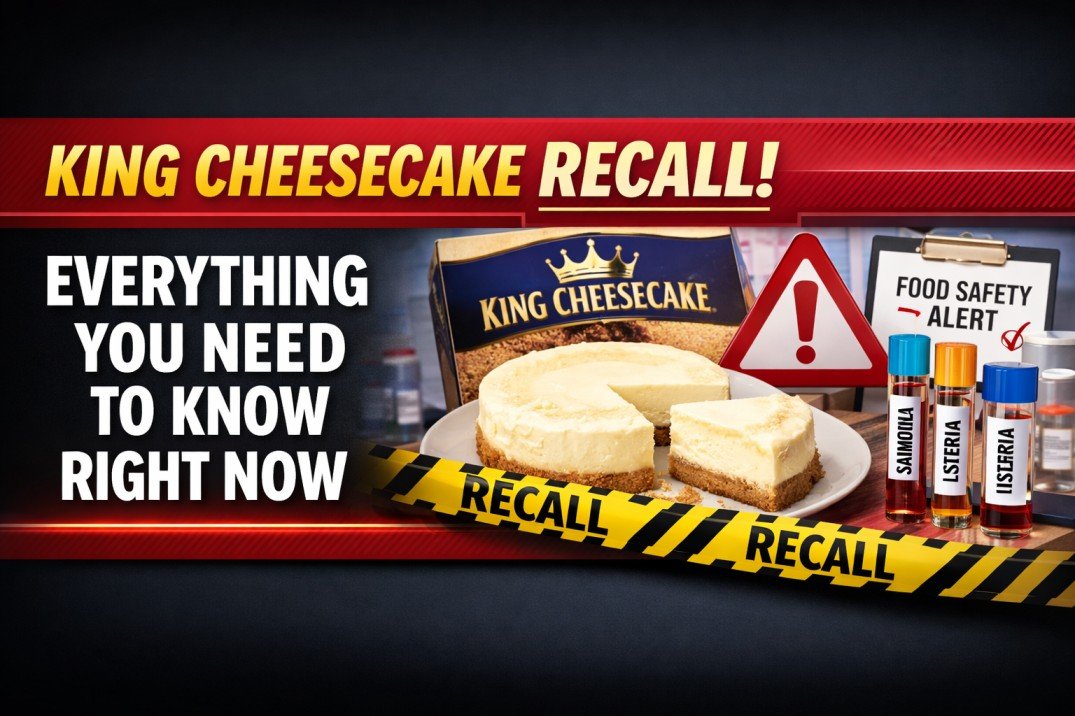
If you have a sweet tooth, the name King Cheesecake Company likely brings to mind decadent, rich layers of cream cheese and perfectly baked crusts. However, recent headlines have shifted the focus from flavor to food safety. A significant recall involving various dessert products from this Texas-based manufacturer has left consumers with many questions.
Understanding the specifics of a food recall—from the “why” to the “what next”—is essential for protecting your health. This guide provides a comprehensive breakdown of the King Cheesecake recall, the risks involved, and the steps you should take if you believe you have affected products in your refrigerator.
What Triggered the King Cheesecake Recall?
The King Cheesecake Company, Inc., headquartered in Texas, initiated a voluntary recall after discovering a potential safety hazard in its supply chain. The primary concern revolves around Salmonella contamination.
The Source: Contaminated Pecans
The root cause of the recall was traced back to pecans used as an ingredient in several of the company’s signature cake and cheesecake recipes. In the food industry, even if a manufacturer’s internal processes are pristine, a single contaminated raw ingredient from a third-party supplier can compromise the entire finished product.
FDA Classification: Class I Recall
The U.S. Food and Drug Administration (FDA) has classified this as a Class I recall. In the world of food safety, this is the most serious designation.
Class I Recall Definition: A situation in which there is a reasonable probability that the use of or exposure to a violative product will cause serious, adverse health consequences or death.
While no deaths have been linked to this specific recall, the high classification underscores the potential severity of Salmonella infection, particularly for vulnerable populations.
Affected Products: Is Your Favorite on the List?
The recall is not limited to a single “King Cheesecake.” Because the contaminated pecans were used across several different recipes, a wide range of desserts produced during a specific window in 2025 and early 2026 are involved.
Full List of Recalled Items
If you have purchased any of the following from the King Cheesecake Company recently, check your labels immediately:
-
Italian Layer Cake
-
Carrot Layer Cake
-
Tres Leches Cheesecake
-
Chocolate Tres Leches Cake
-
Hummingbird Cake
-
Assorted Layer Cakes
Identifying the Batches
The recall specifically targets products with certain expiration dates and lot codes. To determine if your cake is part of the recall:
-
Check the Side/Bottom Label: Look for the “Best If Used By” date.
-
Verify the Distribution: These products were distributed across multiple states, primarily through retail grocery stores and food service providers.
Understanding the Risk: What is Salmonella?
Salmonella is a type of bacteria that frequently causes foodborne illness, known as salmonellosis. It is often found in raw or undercooked meat, poultry, eggs, and—as seen in this case—raw nuts like pecans.
Common Symptoms
Symptoms of Salmonella poisoning usually appear within 6 hours to 6 days after consuming the contaminated food. They typically include:
-
Severe diarrhea (sometimes bloody)
-
High fever and chills
-
Abdominal cramps
-
Nausea and vomiting
Who is at Highest Risk?
While most healthy adults recover within a week without specific treatment, certain groups are at a higher risk for “invasive” infections that can spread to the bloodstream and become life-threatening:
-
Children under age 5
-
Adults over age 65
-
Individuals with weakened immune systems (due to conditions like HIV, cancer, or transplant recovery)
-
Pregnant women
What Should You Do If You Have the Product?
If you find a recalled King Cheesecake product in your kitchen, do not panic, but act immediately. Follow these four critical steps:
1. Do Not Eat It
It may be tempting to “just try a bite” or assume that because the cake looks and smells fine, it is safe. Bacteria like Salmonella cannot be seen, tasted, or smelled. Even a small amount can cause illness.
2. Throw It Away Safely
The safest way to dispose of the product is to place it in a sealed plastic bag before putting it in your trash can. This prevents pets or wildlife from scavenging the contaminated food.
3. Seek a Refund
Most retailers where King Cheesecake products are sold (such as major grocery chains) will provide a full refund if you return the packaging or the receipt. You do not necessarily need to bring the physical cake back to the store if you are concerned about leakage; often, a photo of the label and the receipt is sufficient.
4. Sanitize Your Kitchen
Cross-contamination is a real threat. If the recalled cake was sitting on a plate in your fridge or on your counter:
-
Wash the area with hot, soapy water.
-
Sanitize utensils or plates that touched the product.
-
Wash your hands thoroughly for at least 20 seconds after handling the packaging.
The Broader Context: Why are Recalls Increasing?
It can feel like food recalls are becoming more frequent. While this can be alarming, it is often a sign that our monitoring systems are improving.
| Factor | Description |
| Advanced Testing | New technology like Whole Genome Sequencing (WGS) allows the FDA to link illnesses to specific food sources much faster than 10 years ago. |
| Supply Chain Complexity | Ingredients often travel across several countries before reaching a bakery, increasing the “touchpoints” where contamination can occur. |
| Preventive Action | Companies like King Cheesecake often issue “voluntary” recalls before any illnesses are reported as a precautionary measure to protect their brand and customers. |
Frequently Asked Questions (FAQ)
Are King Cheesecake products safe to buy today?
Yes. The recall only affects specific batches made during the identified risk period. Any King Cheesecake products currently on store shelves have been cleared by safety protocols and do not contain the affected ingredients.
What if I already ate the cake and feel fine?
If you consumed the product and have passed the 72-hour mark without symptoms, you are likely in the clear. However, continue to monitor your health and consult a doctor if you develop a fever or persistent digestive issues.
Where can I find the official FDA notice?
The FDA maintains an active “Recalls, Market Withdrawals & Safety Alerts” database on their official website. You can search by “King Cheesecake” to see the specific lot numbers and photos of the packaging.
Summary and Next Steps
The King Cheesecake recall is a serious reminder of the importance of food safety vigilance. By acting quickly and disposing of the affected Italian Layer Cakes, Carrot Cakes, and Cheesecakes, you can protect yourself and your family from a preventable illness.