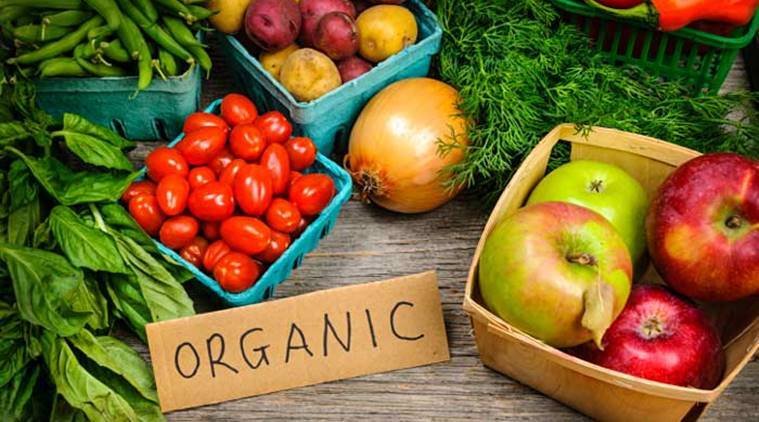
Agricultural goods produced and processed in an “organic” manner are referred to as “organic.” Even though laws differ from nation to nation, in Australia, organic crops must be produced without using synthetic herbicides, pesticides, fertilisers, or genetically modified organisms (GMOs). Australia has approximately 2,312 organic food wholesalers and is a $2 billion market.
Natural behaviours (such as the capacity to graze on pasture) and organic feed and forage are required for organic livestock produced for meat, eggs, and dairy products. Antibiotics, growth hormones, and other items derived from animals may not be administered to them.
Why should you eat organic food?
What you eat may have a significant effect on your physical, mental, and emotional well-being, as well as the health of the planet. People with sensitivities to foods, chemicals, or preservatives may discover that eating exclusively organic foods reduces or eliminates their symptoms. Organic foods typically contain more beneficial components, such as antioxidants, than conventionally-grown equivalents.
- Fewer Pesticides
Pesticides are scarcer in organic food. Pesticides and herbicides often used in traditional farming leave residue on the food we eat, which is harmful when consumed.
- Fresher
Because additives extend the shelf life of conventionally produced food, organic food tends to be fresher. Some organic food is grown on smaller farms, close to where it i sold, although this is not always the case.
- Better for environment
Organic farming is healthier for the environment since it uses fewer pesticides. Using organic farming methods may help the environment by saving water, reducing soil erosion, and improving soil fertility. Synthetic pesticides are harmful to wildlife and humans who live close to farms.
- Healthy food
Antibiotics, growth hormones, and animal wastes are not used in the organic farming of animals. The use of antibiotics may produce germs that are resistant to them, and feeding animals animal byproducts raises the risk of mad cow disease (BSE). Animals reared organically have better health because they have more room to roam and are exposed to fresh air.
- Richer in nutrients
Certain nutrients are more abundant in organic meat and milk. According to the findings of a 2016 European research, organic meat and milk contain up to 50% more nutrients like omega-3 fatty acids than conventionally produced counterparts.
- GMO-free
Genetically modified organisms (GMOs) or GE foods are plants whose DNA has been altered. GMOs are not present in organic food. GE foods are plants whose DNA has been changed in ways that do not occur naturally or via conventional crossbreeding, most often resistant to pesticides or generate an insecticide.
Understanding Genetically Modified Organisms
GMOs continue to be the subject of heated discussion about their impact on human health and the environment. Genetically modified organisms (GMOs) are usually created to be herbicide-resistant food crops or generate an insecticide. Genetically engineered sweet corn grown in the United States is resistant to Roundup herbicide and produces its pesticide, Bt Toxin.
Genetically modified organisms (GMOs) are also frequently found in US crops like soybeans and alfalfa and in many breakfast bowls of cereal and processed foods that we consume. There is a good possibility that a product contains GMOs if the ingredients list includes corn syrup or soy lecithin.
Does the term “organic” imply the absence of pesticides?
Organic food wholesalers, contrary to common perception, do utilise pesticides. Instead of synthetic pesticides used on typical commercial farms, they exclusively utilise organically produced insecticides. Pesticides derived from plants are thought to be less harmful than synthetic ones. As previously stated, low pesticide levels are a significant advantage of eating organic. However, eating organic means you’ll be exposed to fewer hazardous pesticides.