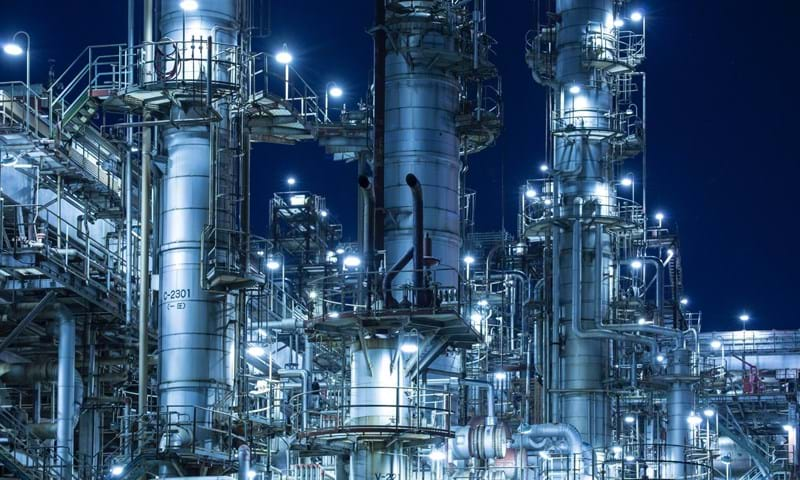
Before consumers can make use of the energy harvested in the upstream sector, and stored in the midstream sector, the energy must undergo one last stage, known as the downstream phase. This final step represents the culmination of the process that began with the first extraction of raw energy resources, before it ultimately is delivered to your home.
This stage covers the refineries that convert crude oil into gasoline, the plants that turn natural gas into electricity, and more. In short, the downstream sector is the engine behind transforming the raw materials into actual usable energy. And in this article we will explore all you need to know about it. Enjoy!
Table of Contents
ToggleHow the Downstream Sector Works
Often considered the final stage of the energy industry’s pipeline, the downstream is the phase in which energy is transformed, refined, processed and ultimately distributed to consumers such as private households, as well as large factories and everything in between.
David Goodnight of Austin, TX explains, that this stage is where the refining process actually takes place, turning the extracted crude oil into different petroleum products, such as gasoline, diesel and even jet fuel for airplanes.
Over the years petroleum refining has undergone many changes, not only to keep up with an ever increasing demand from the global market, but also to keep in line with environmental requirements, as well as improve efficiency at every step in the process.
The same goes for the processing of natural gas. This is another type of fossil fuel that we rely on for our energy needs, and one that has become a cornerstone in our modern energy sectors across the world.
Once extracted from deep beneath the Earth’s surface, where it is trapped in rock formations, the upstream phase extracts this gas with by drilling wells, before the midstream phase transporters the gas through massive pipelines and storing it into facilities before it can be processed.
The downstream sector is responsible processing the gas, in order to remove any impurities from the natural gas. This typically produces pure methane, which is considered the main component of natural gas, a product that is now ready to be distributed to power plants that use the gas in order to create electricity or heat that powers our homes and industries.
Other Products of the Downstream Sector
While we typically think of gasoline, diesel, and methane, there are many other products resulting from this downstream process, spanning a wide spectrum of industrial necessities and everyday essentials.
For instance, the process yields a wide variety of petrochemicals, such as ethylene, propylene and butadiene, which are the most basic building blocks used to create plastic, synthetic rubbers and more.
The downstream process is also responsible for producing the lubricants and grease that we all use to reduce friction in our engines, machines and other industrial components. Typically these are considered by-products from the refining processes, as they are derived from the heaver fractions of crude oil, that are not suitable for the main products, such as gasoline or diesel.
The downstream sector also produces oil to be used for heating homes, asphalt and bitumen for road infrastructure, specialty chemicals that are used in everything from cosmetics, pharmaceuticals, detergents, and more, as well as fertilizers such as ammonia.
The Future of the Downstream Sector
David Goodnight of Austin, Texas suggests that as the world calls for more sustainable practices, the downstream sector is considered by most to be at a crossroads, as the sector grapples with a multitude of challenges that demand adaptation, innovation, and a strategic shift towards sustainability.
The future might very well require the entire energy sector to shift focus, as societies become more conscious of their carbon footprints and explore alternative modes of transportation and energy consumption. Thus, the downstream sector must be prepared to adjust its output to cater to diverse energy requirements.
But this opens up a new and interesting host of opportunities. The increasing focus on renewable energy sources presents both an opportunity and a challenge. The downstream sector needs to find ways to seamlessly incorporate renewable energies like solar, wind, and hydro into its operations, ensuring a harmonious synergy between conventional and modern technologies.